
The playbook for creator success is being rewritten. Where once a million subscribers signaled the pinnacle of digital achievement, today’s most ambitious influencers are asking a different question: what happens when you stop selling someone else’s products and start building your own?
The answer involves matcha sourced from Japanese highlands, hoodies that sell out in minutes, and brand loyalty that marketing executives spend millions trying to manufacture. These three creators didn’t just launch merchandise—they built companies that could survive without their faces attached to them.
Ashley Alexander: The Matcha Maven Who Skipped the Ad Budget
Creator Profile: ur mom ashley | 1.9M YouTube subscribers
Brand: Nami Matcha
Category: Premium Ceremonial Matcha
Founded: July 2024
When Ashley Alexander’s starter kits sold out in four minutes—and her entire inventory vanished within 24 hours—she hadn’t spent a single dollar on advertising. Not because she couldn’t afford it, but because she didn’t need it.
The Albany, New York native had been documenting her matcha obsession for years before launching Nami Matcha in July 2024. Her audience watched her rank every matcha spot in Manhattan, tour tea fields in Japan, and develop what can only be described as a connoisseur’s palate for ceremonial-grade green tea. By the time she announced her own brand, her followers weren’t just customers—they were co-conspirators in a passion project years in the making.
“I really wanted to be an AAPI woman business owner, specifically of matcha, where many brands are male-owned,” Alexander has explained. “I just wanted to be like, ‘you know what? I’m going to have a really good matcha that the girlies can trust that’s owned by a girlie herself.'”
The strategy was deceptively simple but meticulously executed. Before the public launch, Alexander created “The Matcha Mob”—an exclusive email and text community that received behind-the-scenes footage, voted on packaging decisions, and helped shape the brand’s direction. By launch day, she had 38,000 invested fans ready to purchase. That number has since grown to over 50,000.
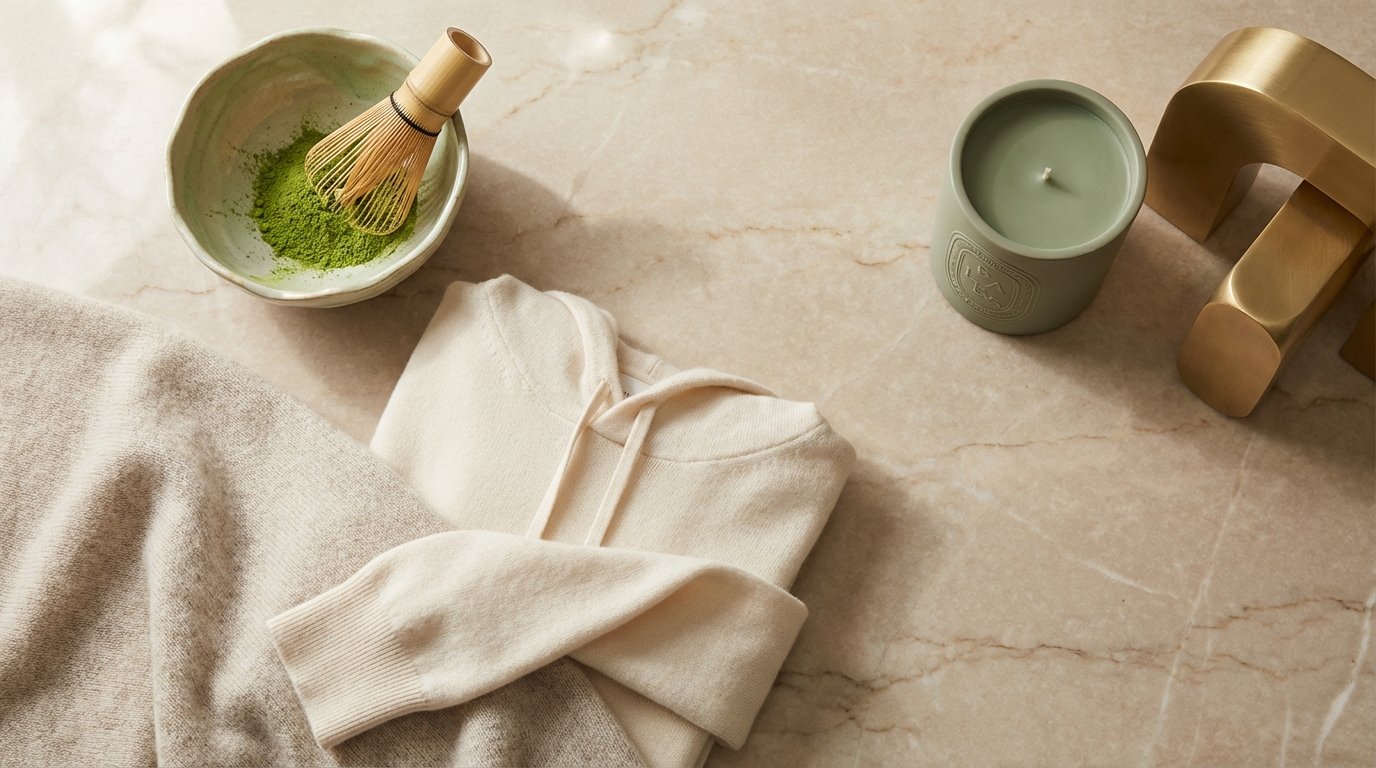
Nami’s product line reflects Alexander’s personal aesthetic: butter yellow and forest green packaging that feels both distinctly Japanese and unmistakably modern. The matcha itself is ceremonial grade, first harvest, USDA organic, sourced directly from Kagoshima, Japan. A 30-gram tin retails for $34, while the complete starter kit—including traditional bamboo whisk, bowl, and scoop—sells for $104.
The numbers tell a striking story. Within nine months of launch, Nami Matcha had generated seven figures in gross sales across 139 countries, with Ad Age reporting the brand reached $2.5 million without any paid media spend. The first in-person pop-up at a Shopify event in New York City drew lines around the block, became Shopify’s fifth biggest day of the year, and sold out all merchandise.
What makes Alexander’s approach particularly instructive is her navigation of real-world business challenges. Tariffs and global matcha shortages have impacted margins. Demand planning remains tricky—a recent Yame matcha order expected to last until July sold out in a month. These aren’t content problems; they’re supply chain problems, the kind that separate lifestyle brands from actual businesses.
Alexander’s next move signals serious ambition: wholesale partnerships with cafes and grocery stores. “The cool thing about a business having a creator brand in their cafe is there aren’t many other matcha brands where people would go to a cafe because of the matcha brand,” she notes.
Michelle Choi: Cozy Capitalism Meets Minimalist Design
Creator Profile: michellechoii | 2.32M YouTube subscribers
Brand: Little Puffy
Category: Women’s Apparel
Founded: 2019
Michelle Choi didn’t set out to become a fashion entrepreneur. She set out to make videos about living alone in New York City—the mundane poetry of cooking for one, the quiet rituals of morning routines, the unvarnished reality of mental health struggles in your twenties.
But when you build an audience of millions around a particular aesthetic sensibility, they eventually want to wear it.
Little Puffy emerged from a simple observation: Choi’s viewers kept asking what she was wearing. The Korean-American creator, who studied business administration at Yonsei University before pivoting to full-time content creation, recognized that her minimalist, comfort-first wardrobe philosophy resonated with an audience craving the same “cozy but put-together” energy she projected on camera.
The brand launched in 2019 and has evolved methodically since. Early offerings focused on loungewear staples—sweatpants, crewnecks, the kind of pieces that feel like a warm hug but photograph beautifully for Instagram. Recent collections have expanded to include silk dresses, ribbon-detailed satin tops, and pieces that bridge at-home comfort with going-out polish.
Pricing reflects quality construction rather than influencer markup: uniform crewnecks retail around $85, while silk pieces reach $150-200. Everything ships worldwide from New York City.
The brand’s physical coming-out party arrived in November 2023, when Choi opened Little Puffy’s first pop-up store in NYC. She documented the experience for her YouTube channel, giving viewers the same behind-the-scenes access that characterized her daily vlogs—allowing her audience to feel ownership in the brand’s milestone moments.
What distinguishes Little Puffy from typical creator merchandise is its separation from Choi’s personal brand identity. While she designs the pieces and features them in her content, the clothing stands on its own aesthetic merit. There are no logo splashes or fan-service references. Someone could wear Little Puffy without knowing anything about Michelle Choi’s YouTube channel.
The brand now maintains 48,000 Instagram followers under its own handle, building an identity distinct from its founder—the kind of structural decision that creates long-term enterprise value.
Mai Pham: The Gen Z Mogul Rewriting the Merch Playbook
Creator Profile: maiphammy | 3.46M YouTube subscribers
Brand: Alchemai
Category: Lifestyle Apparel
Founded: 2021
Mai Pham dropped out of school at fifteen. By twenty-two, she had built what industry observers describe as a multimillion-dollar fashion label while simultaneously maintaining one of YouTube’s most-watched lifestyle channels.
Alchemai represents perhaps the most aggressive creator-to-entrepreneur transition of the three. The brand contributes an estimated 65-70% of Pham’s total income—meaning her clothing company has effectively become her primary business, with content creation serving as the marketing engine.
The origin story starts in 2021 Los Angeles, when an eighteen-year-old Pham couldn’t find the oversized hoodie she wanted in a specific color. Rather than settle, she walked into clothing factories and pitched her vision: a one-size hoodie with custom scrunched ribbing and a fit that could work across body types. The reception was brutal. “Every manufacturer told me straight to my face that it would never work,” Pham has recounted. “‘If it was a good idea, people would’ve been doing it already.’ They’d let me come into the production offices because they wanted to see how long I’d last before giving up.”
She didn’t give up. Every Alchemai piece is custom cut-and-sew—designed from scratch rather than printed on blanks—with each design taking six to twelve months to develop. The signature hoodies feature details like adjustable leg openings on matching sweatpants and proprietary poly-cotton fabric milled in Los Angeles for breathability across seasons.
But the product is only half the story. Pham’s drop strategy broke from every established playbook in the creator merchandise space.
Her approach centered on an exclusive “spam” Instagram account—a secondary, behind-the-scenes profile where she shared raw, unpolished updates about the brand. This created a tiered community structure: casual viewers followed her main channel, but true fans joined the inner circle for early access and intimate updates. The strategy built what industry analysts describe as a “cult-like community” around exclusivity and insider status.
The results speak in speed. In one drop, Pham sold out over 6,000 hoodies in under ten minutes. She announces releases at specific symbolic times—like 11:11 PM EST—adding ritualistic significance to the purchase moment. Each launch feels less like a transaction and more like participation in something.
Pham has recently expanded her empire with MaiSpace, a story-driven podcast filmed in a recreation of her childhood bedroom. The tagline—”Your fear of looking stupid is holding you back, and everything you seek is within”—captures the self-empowerment philosophy running through both her content and brand positioning.
What makes Pham’s trajectory particularly notable is how she inverted the typical creator-to-brand pipeline. Most influencers treat merchandise as supplementary income; Pham built a fashion company that happens to have a YouTube channel attached. Whether that model is replicable or simply a function of exceptional timing, talent, and the willingness to hear “it’ll never work” from factory floors full of skeptics remains debated. But her success has certainly expanded the imagination of what’s possible for young creators willing to bet on themselves.
The Playbook Emerging From These Success Stories
Three creators, three very different products, one shared insight: the most valuable thing an influencer can build isn’t an audience—it’s a brand that can survive without constant feeding from new content.
Community Before Commerce. Alexander’s Matcha Mob demonstrated that involving your audience in product development creates customers who feel like owners.
Quality Over Speed. All three brands prioritized product quality over quick cash-outs. Nami sources from specific Japanese regions. Little Puffy ships silk dresses, not screen-printed tees. Alchemai invests in custom cut-and-sew and 3D visualization.
Identity Independence. The strongest creator brands can exist without their founder’s face on everything. That separability creates real enterprise value.
Content as R&D. Years of content about matcha preferences, fashion choices, and lifestyle aesthetics served as extended market research. These creators knew exactly what their audiences wanted because they’d been asking, indirectly, for years.
The creator economy has entered its next phase. Followers remain important, but the real metric of success has shifted toward something more traditional: did you build something that lasts?
Nadra
Co-Founder & Head of Content
The Gen Z co-founder behind Arahkaii’s content strategy. She shapes stories that feel elevated yet genuinely worth reading — modern, meaningful, and thoughtfully crafted. Nadra oversees editorial standards and ensures everything published reflects real quality, not just what’s trending.
When she’s not editing or building the platform, she’s hunting for vintage finds, curating playlists to match the vibe, or getting lost in a good book — always on the search for the city’s best matcha.

